White-Label Tablet UX
Introduction
This project was a collaboration with Intel to design and build a white-label tablet platform that would enable their customers to configure and launch fully branded tablet experiences tailored to their specific audiences, markets, and business needs.
Year
2013 – 2015
Client
Intel
Company
Ziba
Role
Principal Product Designer
White-Label Tablet UX
Introduction
This project was a collaboration with Intel to design and build a white-label tablet platform that would enable their customers to configure and launch fully branded tablet experiences tailored to their specific audiences, markets, and business needs.
Year
2013 – 2015
Client
Intel
Company
Ziba
Role
Principal Product Designer
White-Label Tablet UX
This project was a collaboration with Intel to design and build a white-label tablet platform that would enable their customers to configure and launch fully branded tablet experiences tailored to their specific audiences, markets, and business needs.
Year
2013 – 2015
Client
Intel
Company
Ziba
Role
Principal Product Designer
Context
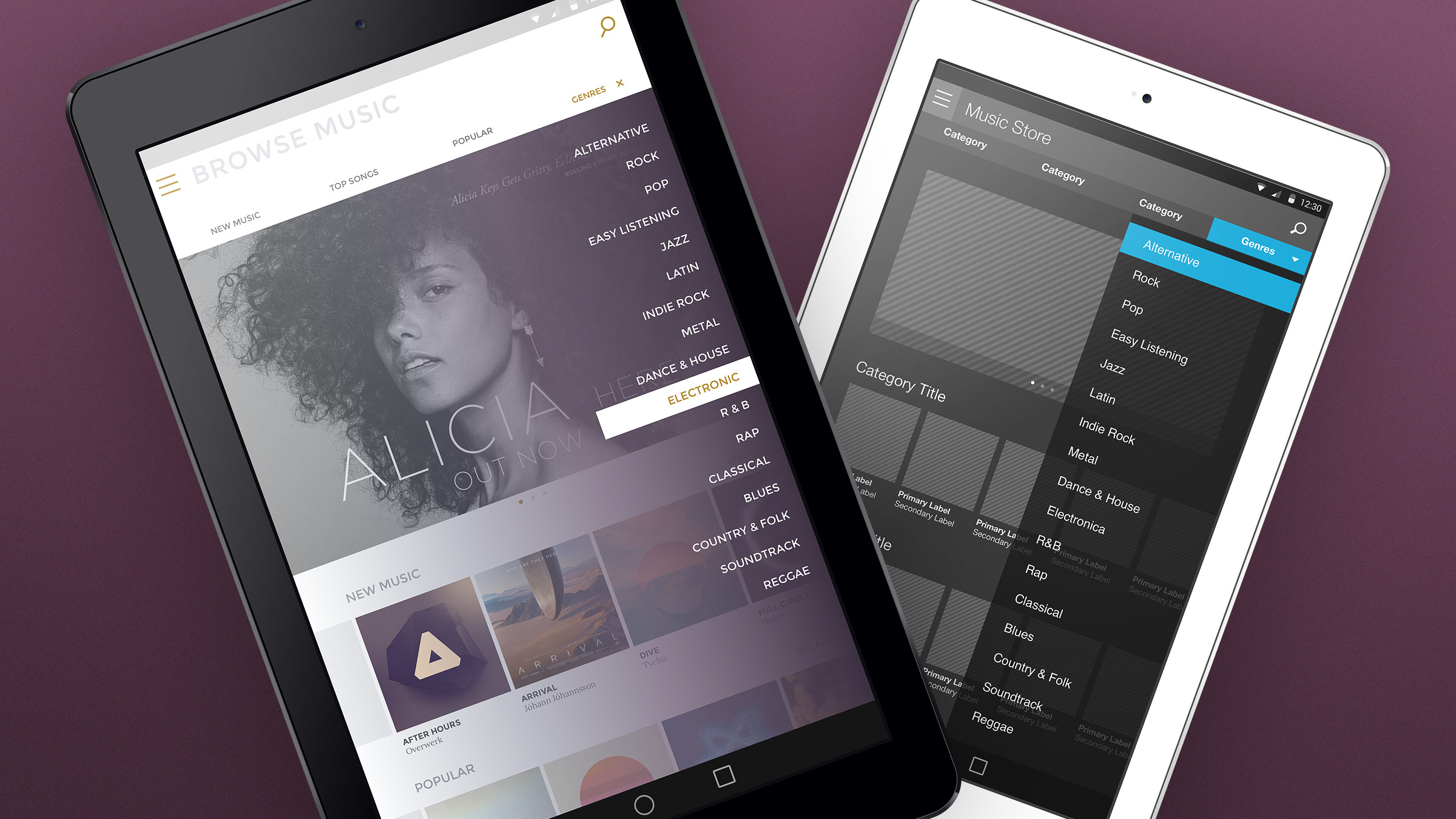
In late 2013, an innovation startup within Intel approached my team with a broad but ambitious ask: create a tablet OS built on top of Android that could flex to support a wide range of content and service offerings across industries including media, telecommunications, retail, education, and healthcare.
Context
In late 2013, an innovation startup within Intel approached my team with a broad but ambitious ask: create a tablet OS built on top of Android that could flex to support a wide range of content and service offerings across industries including media, telecommunications, retail, education, and healthcare.
In late 2013, an innovation startup within Intel approached my team with a broad but ambitious ask: create a tablet OS built on top of Android that could flex to support a wide range of content and service offerings across industries including media, telecommunications, retail, education, and healthcare.
Design and implement a tablet experience that can be configured to reflect any brand.
Design and implement a tablet experience that can be configured to reflect any brand.
Design and implement a tablet experience that can be configured to reflect any brand.
Challenge
The challenge here was not designing a single product — it was designing a system abstract enough to support many products, each with its own content needs, interaction patterns, and potential brand expression.
We needed to identify the essential UX patterns that could span those scenarios, then shape them into a modular architecture that was both flexible and coherent.
Challenge
The challenge here was not designing a single product — it was designing a system abstract enough to support many products, each with its own content needs, interaction patterns, and potential brand expression.
We needed to identify the essential UX patterns that could span those scenarios, then shape them into a modular architecture that was both flexible and coherent.
The challenge here was not designing a single product — it was designing a system abstract enough to support many products, each with its own content needs, interaction patterns, and potential brand expression.
We needed to identify the essential UX patterns that could span those scenarios, then shape them into a modular architecture that was both flexible and coherent.
How do you support... anything?
How do you support... anything?
How do you support... anything?
Research
We began with rapid prototyping and evaluation to explore the platform’s foundational architecture, navigation models, and content patterns. Through multiple iterative rounds and progressively more sophisticated prototypes, we tested core assumptions, refined the structure, and defined the list of components that would allow us to scale across use cases.
Research
We began with rapid prototyping and evaluation to explore the platform’s foundational architecture, navigation models, and content patterns. Through multiple iterative rounds and progressively more sophisticated prototypes, we tested core assumptions, refined the structure, and defined the list of components that would allow us to scale across use cases.
We began with rapid prototyping and evaluation to explore the platform’s foundational architecture, navigation models, and content patterns. Through multiple iterative rounds and progressively more sophisticated prototypes, we tested core assumptions, refined the structure, and defined the list of components that would allow us to scale across use cases.


Learn as a team.
We invited the Intel team to join us for these sessions, allowing us to observe participant reactions together, align on insights in real time, and dramatically reduce the time typically spent on post-research synthesis and reporting.
Learn as a team.
We invited the Intel team to join us for these sessions, allowing us to observe participant reactions together, align on insights in real time, and dramatically reduce the time typically spent on post-research synthesis and reporting.
Learn as a team.
We invited the Intel team to join us for these sessions, allowing us to observe participant reactions together, align on insights in real time, and dramatically reduce the time typically spent on post-research synthesis and reporting.
Designing our kit of parts.
Designing our kit of parts.
Designing our kit of parts.
System Design
Once the foundational architecture and pattern requirements were in place, we moved into agile design and development sprints to define the platform’s components, parameters, behaviors, and edge cases. This approach kept design and engineering closely aligned, allowing us to create solutions that were both conceptually strong and practical to implement.
System Design
Once the foundational architecture and pattern requirements were in place, we moved into agile design and development sprints to define the platform’s components, parameters, behaviors, and edge cases. This approach kept design and engineering closely aligned, allowing us to create solutions that were both conceptually strong and practical to implement.
Once the foundational architecture and pattern requirements were in place, we moved into agile design and development sprints to define the platform’s components, parameters, behaviors, and edge cases. This approach kept design and engineering closely aligned, allowing us to create solutions that were both conceptually strong and practical to implement.
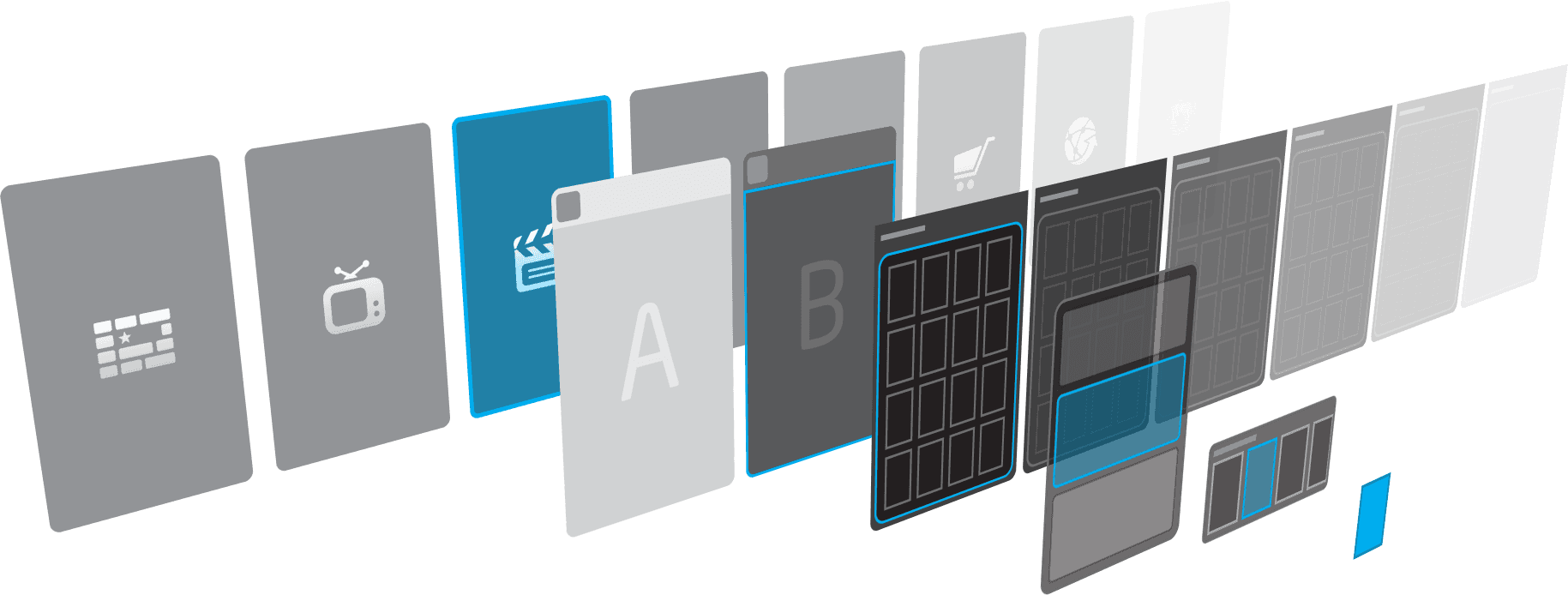
The platform itself was structured around content channels, each capable of supporting multiple “realms” (for example: a music "library" vs. "store") along with the shared screen patterns, components, and elements needed for that media type.
We began with media patterns because they represented the clearest near-term business opportunity and the highest degree of commonality across the system.
The platform itself was structured around content channels, each capable of supporting multiple “realms” (for example: a music "library" vs. "store") along with the shared screen patterns, components, and elements needed for that media type.
We began with media patterns because they represented the clearest near-term business opportunity and the highest degree of commonality across the system.
The platform itself was structured around content channels, each capable of supporting multiple “realms” (for example: a music "library" vs. "store") along with the shared screen patterns, components, and elements needed for that media type.
We began with media patterns because they represented the clearest near-term business opportunity and the highest degree of commonality across the system.
Communicate the system.
Communicate the system.
Communicate the system.
Documentation
For each core content pattern, we created and documented a system of reusable components with configurable variables, allowing each tablet experience to feel distinct, branded, and tailored to its audience. As the pattern library grew, my team documented the rules, behaviors, and parameters for each element to make sure the platform could flex in the right ways without becoming chaotic.
Documentation
For each core content pattern, we created and documented a system of reusable components with configurable variables, allowing each tablet experience to feel distinct, branded, and tailored to its audience. As the pattern library grew, my team documented the rules, behaviors, and parameters for each element to make sure the platform could flex in the right ways without becoming chaotic.
For each core content pattern, we created and documented a system of reusable components with configurable variables, allowing each tablet experience to feel distinct, branded, and tailored to its audience. As the pattern library grew, my team documented the rules, behaviors, and parameters for each element to make sure the platform could flex in the right ways without becoming chaotic.




Writing it all down.
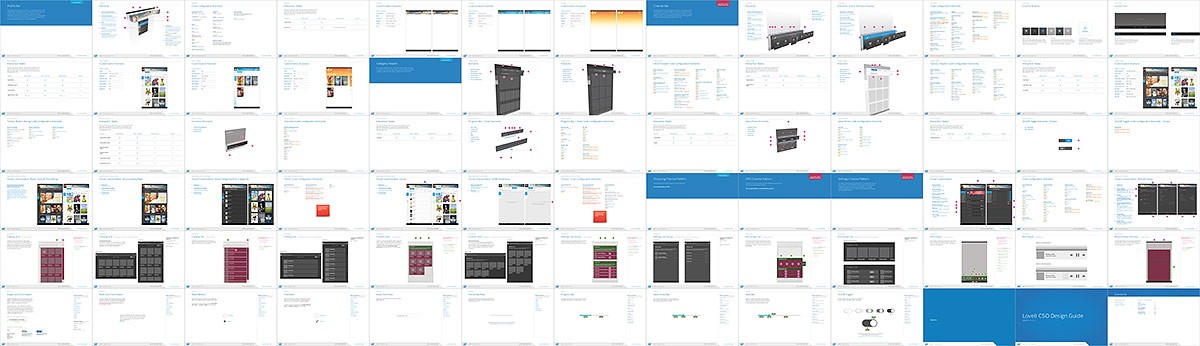
That meant a lot of documentation to ensure the development team had a source of truth during execution.
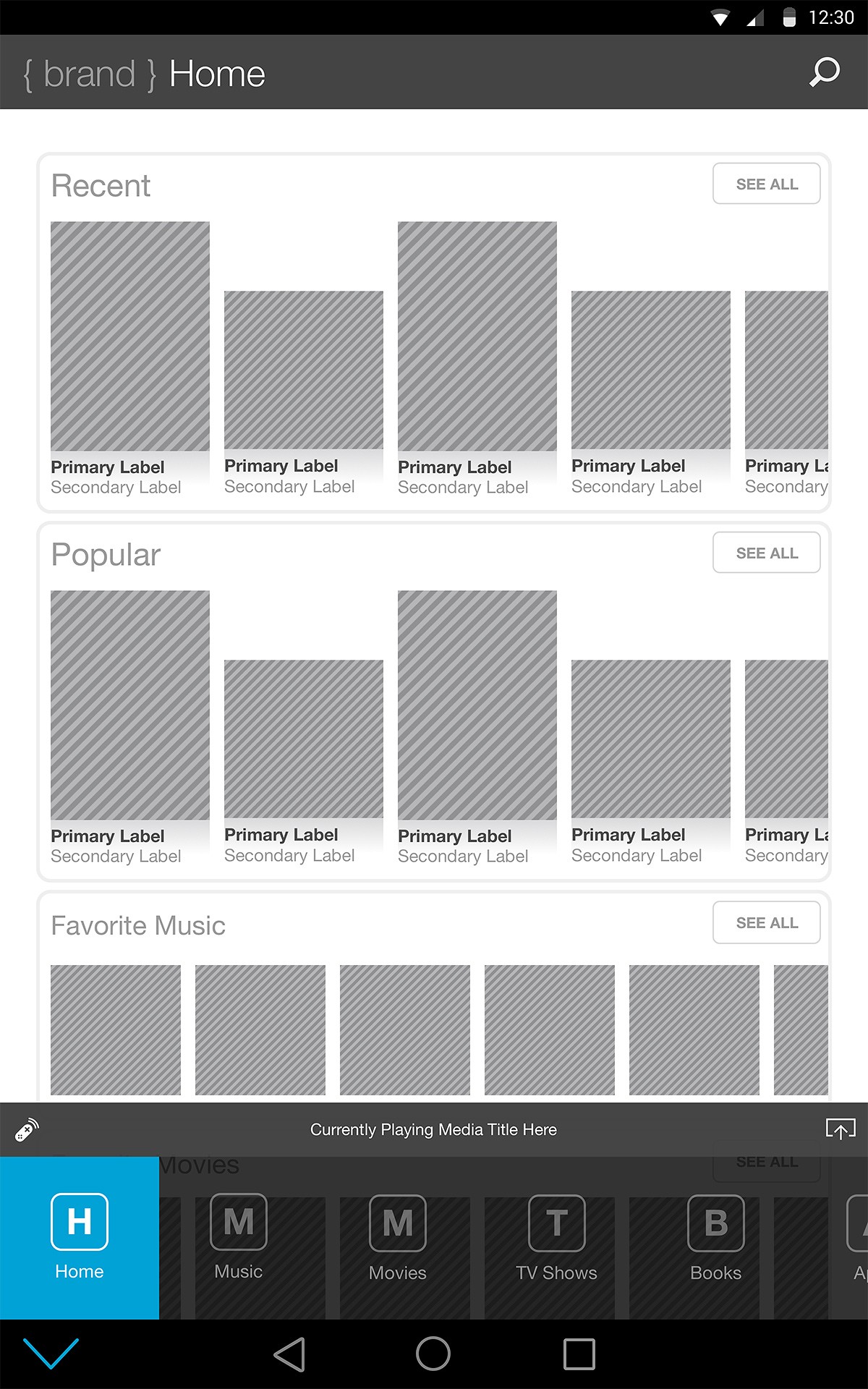
Screen patterns and components were intentionally kept neutral in their default state. To ensure the system offered the right balance of consistency and flexibility, we regularly pressure-tested it against aspirational brands and maintained a faux brand to illustrate the range we wanted to support between the base vanilla experience and a fully branded one.
Writing it all down.
That meant a lot of documentation to ensure the development team had a source of truth during execution.
Screen patterns and components were intentionally kept neutral in their default state. To ensure the system offered the right balance of consistency and flexibility, we regularly pressure-tested it against aspirational brands and maintained a faux brand to illustrate the range we wanted to support between the base vanilla experience and a fully branded one.
Writing it all down.
That meant a lot of documentation to ensure the development team had a source of truth during execution.
Screen patterns and components were intentionally kept neutral in their default state. To ensure the system offered the right balance of consistency and flexibility, we regularly pressure-tested it against aspirational brands and maintained a faux brand to illustrate the range we wanted to support between the base vanilla experience and a fully branded one.
Before and after.
Below are a few before-and-after examples showing how the base system could transform when customization was applied.
Before and after.
Below are a few before-and-after examples showing how the base system could transform when customization was applied.
Before and after.
Below are a few before-and-after examples showing how the base system could transform when customization was applied.
Base Pattern

Branded
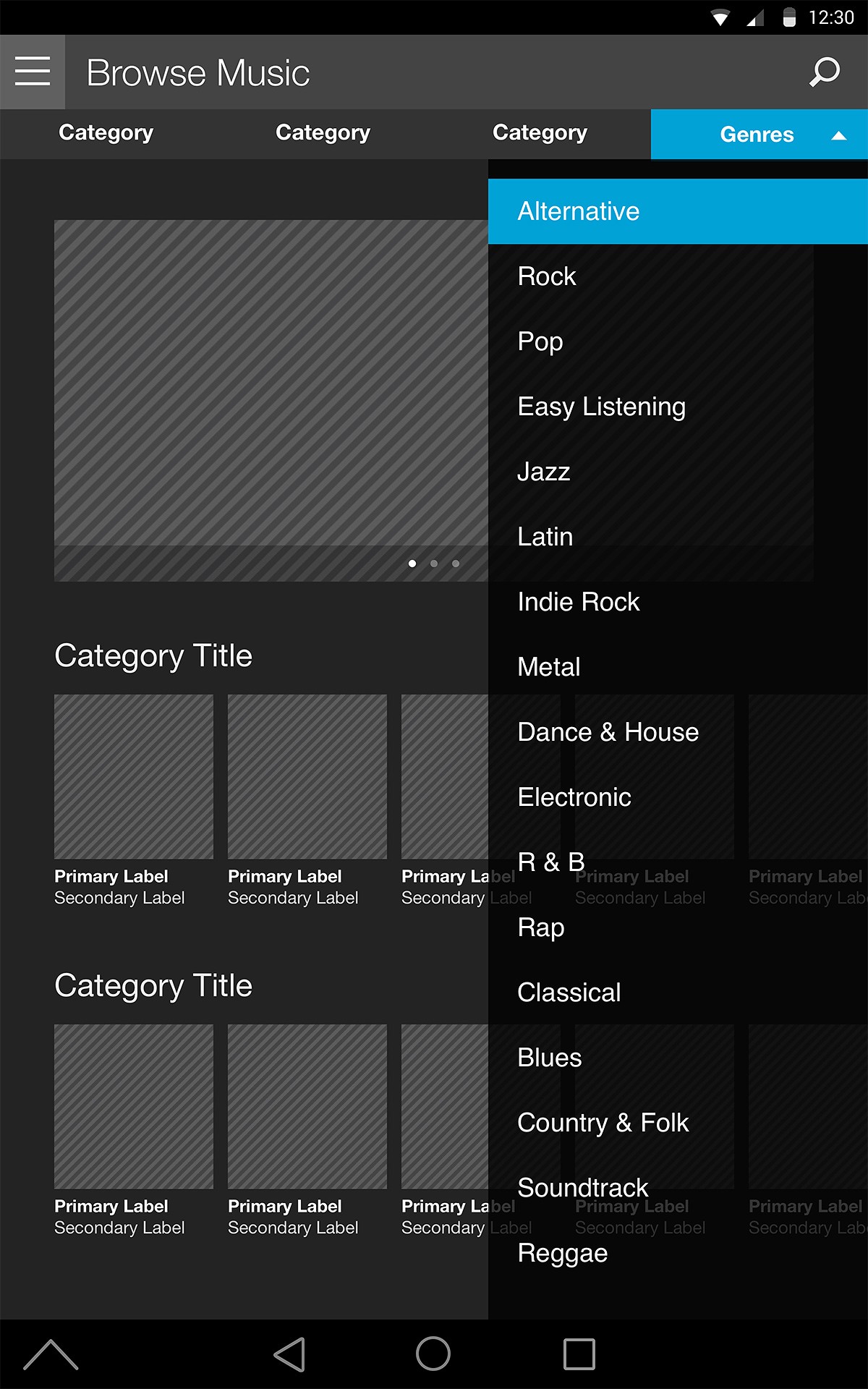
Base Pattern
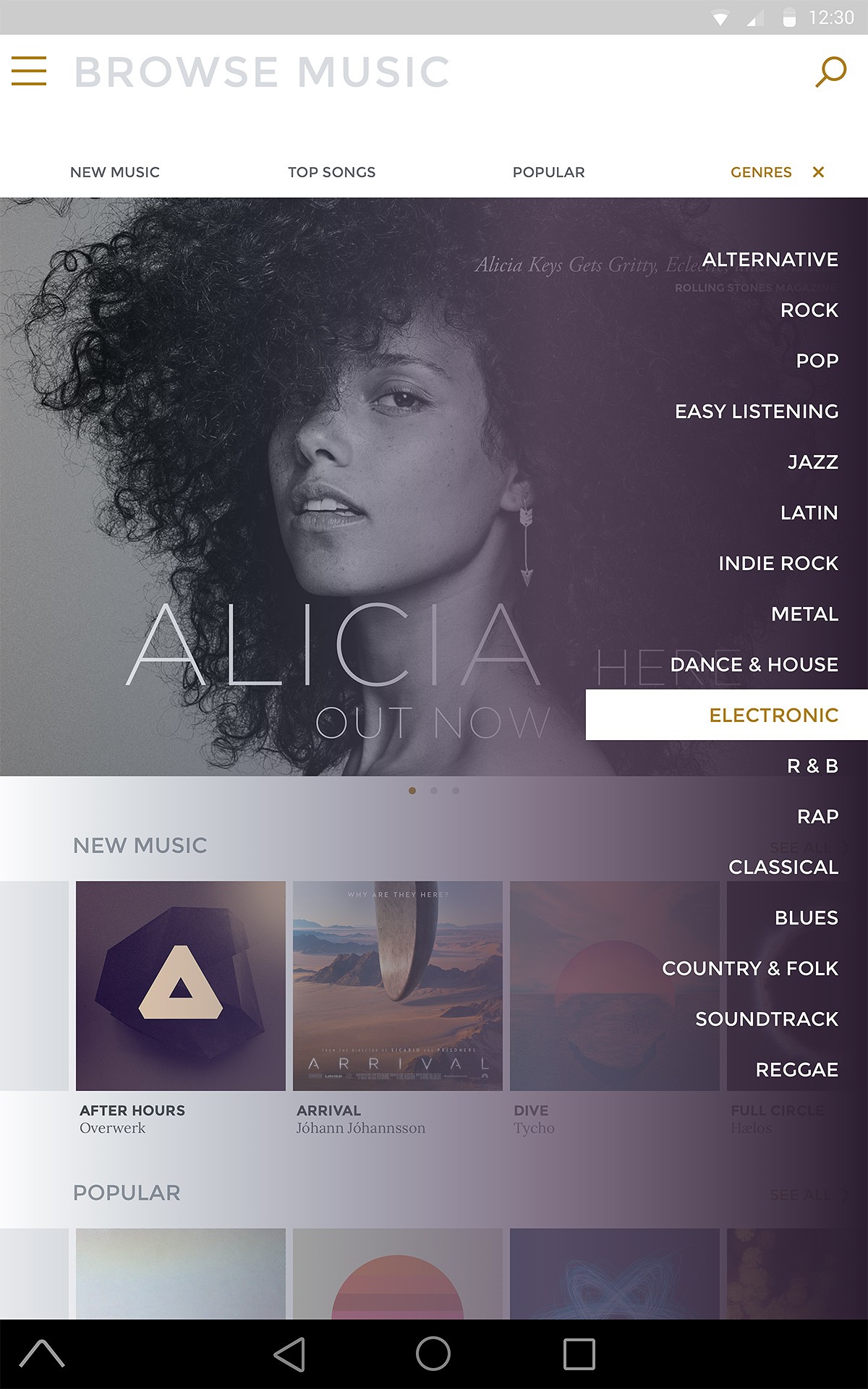
Branded
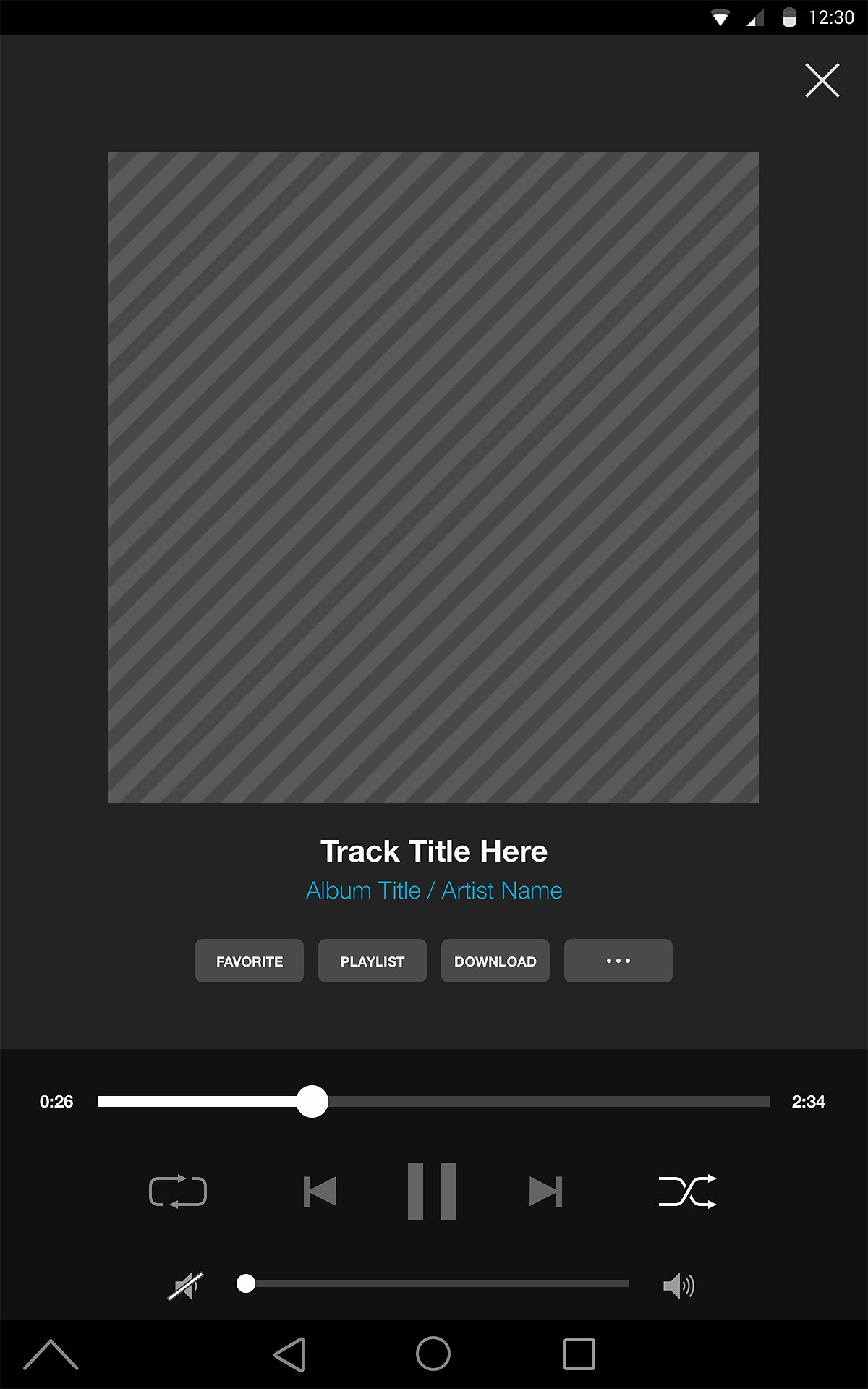
Base Pattern
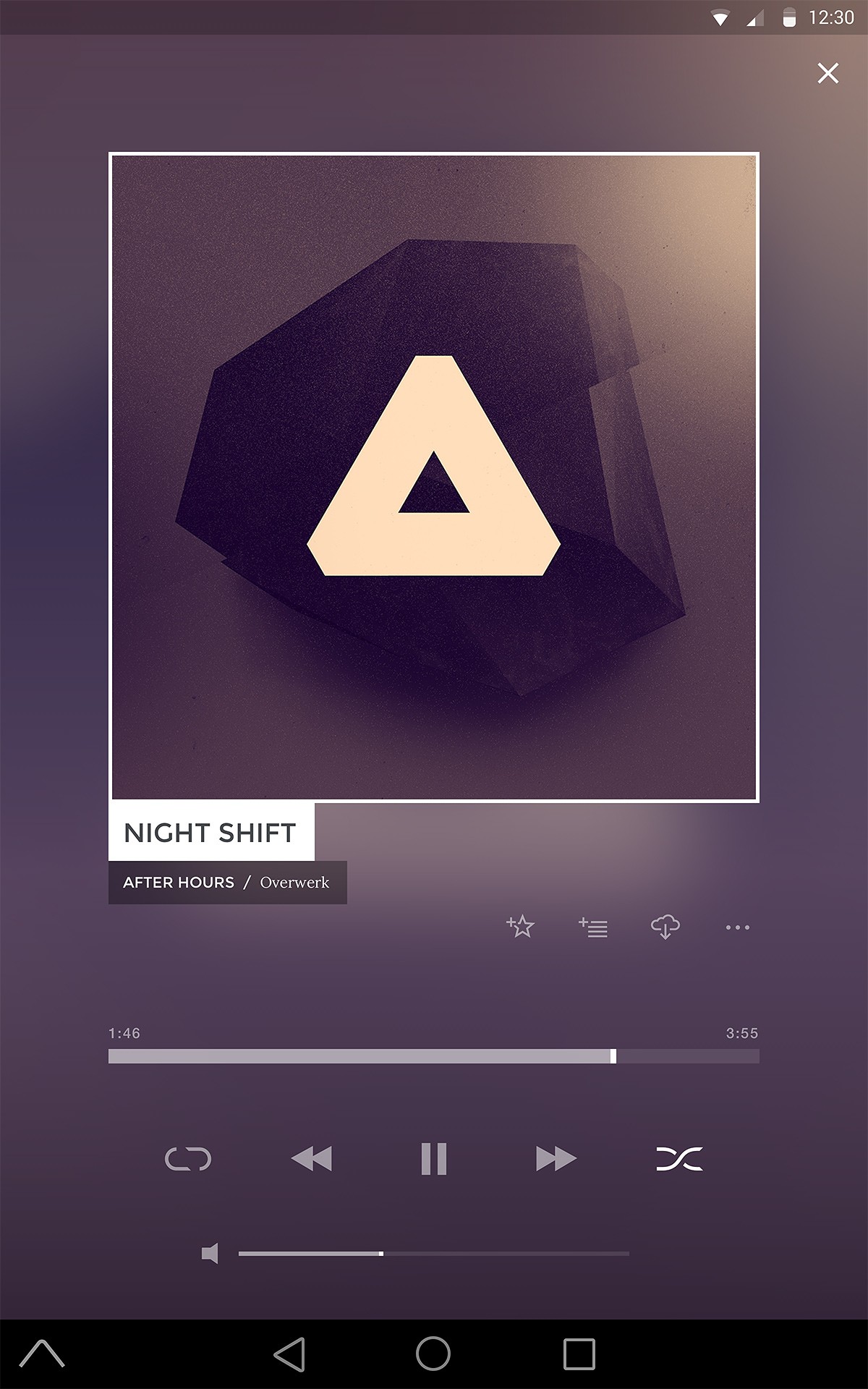
Branded
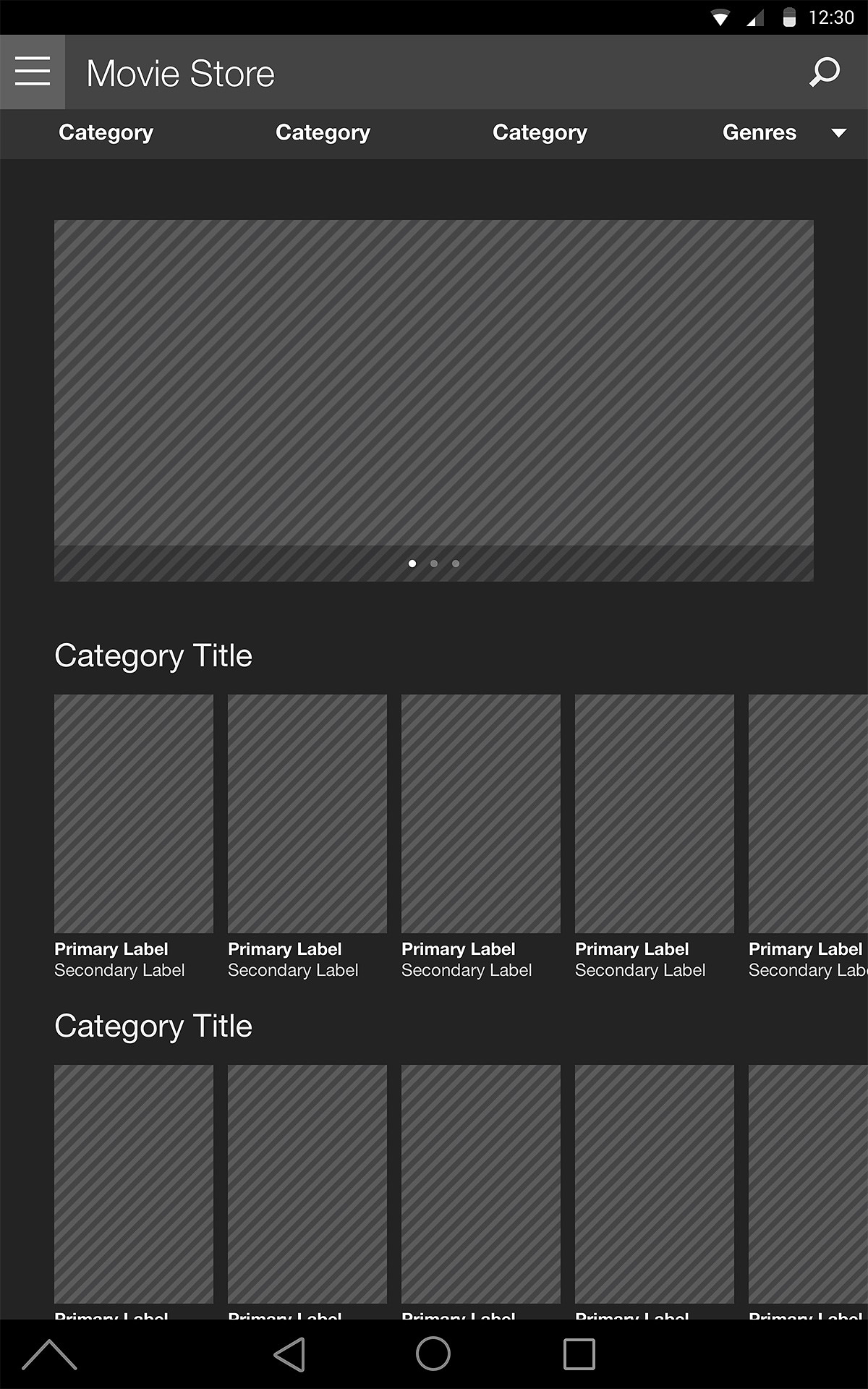
Base Pattern
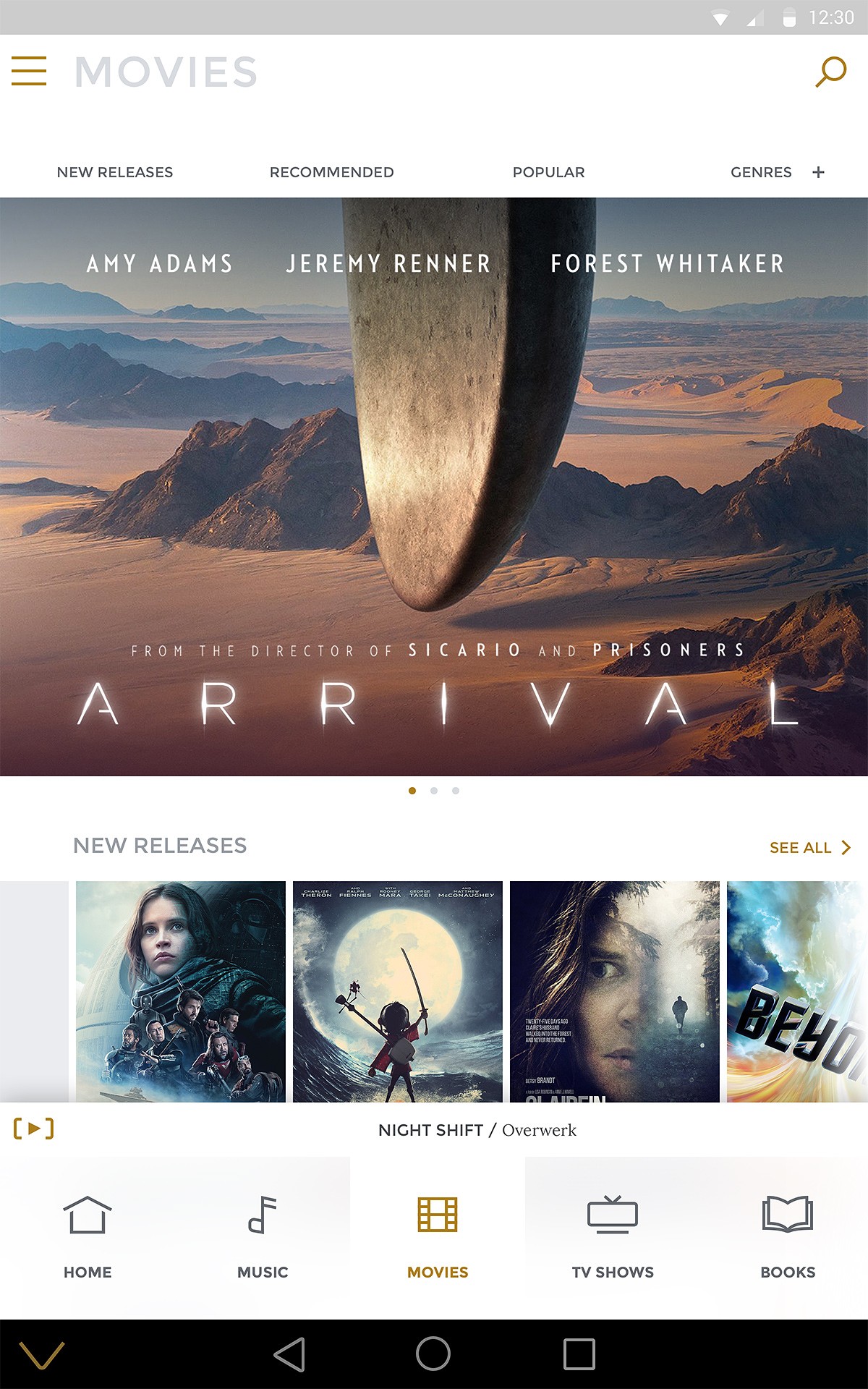
Branded
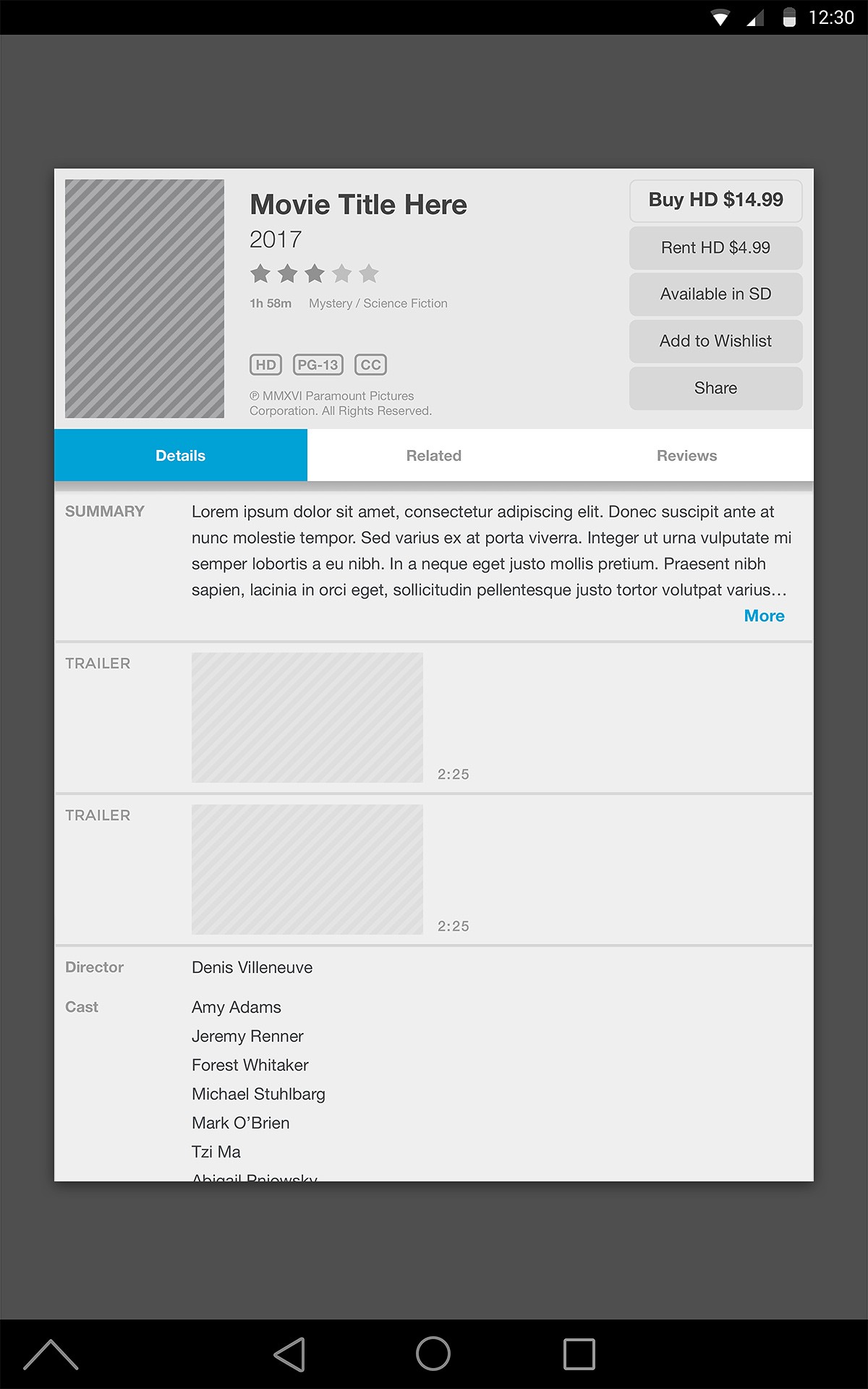
Base Pattern
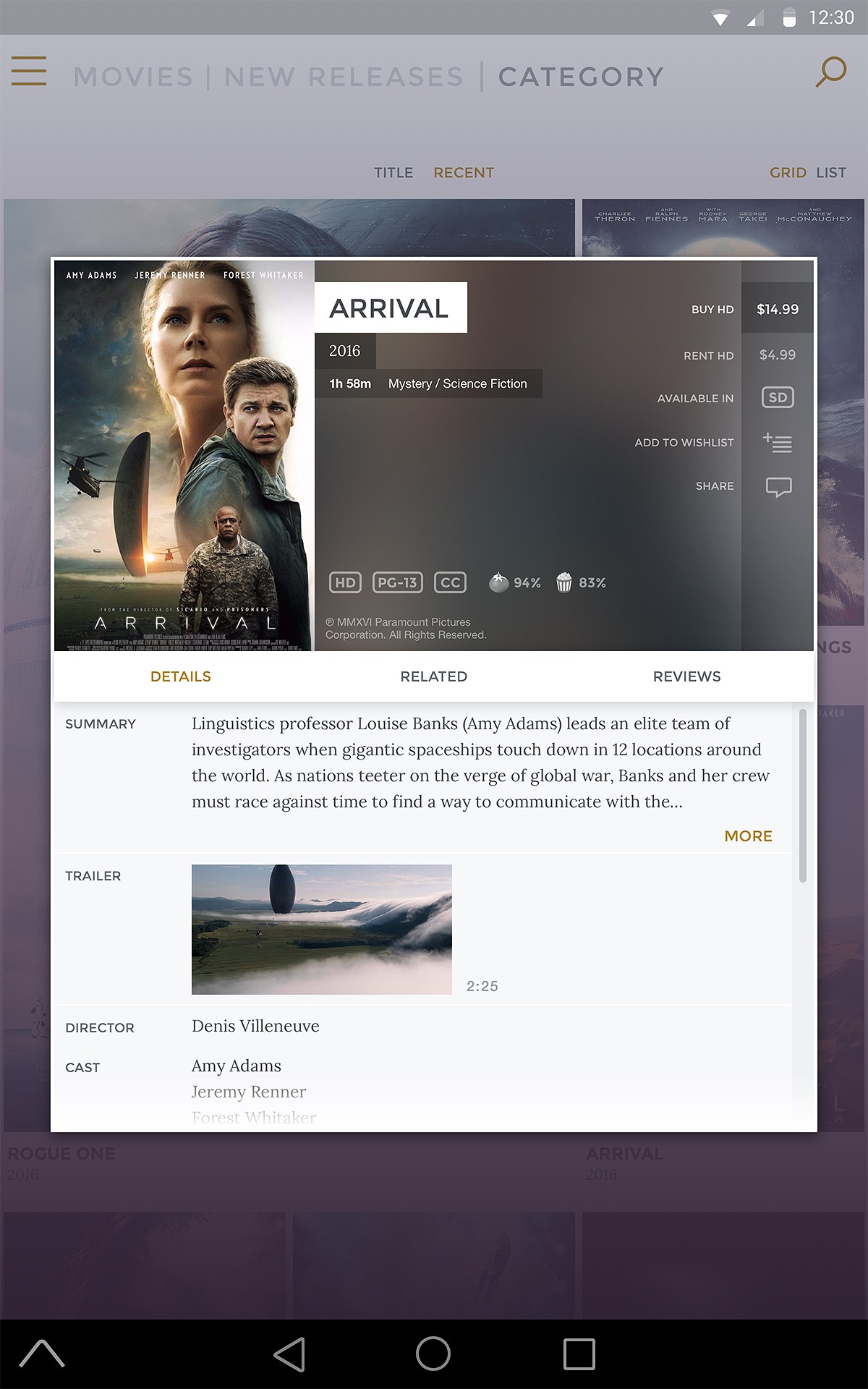
Branded
Successfully deployed for multiple brands.
Successfully deployed for multiple brands.
Successfully deployed for multiple brands.
Outcome
By the end of 2015, Intel was actively deploying the platform for multiple brands, including QVC, Walmart, ProSieben in Germany, and AARP, using it to create a new tablet experience specifically for the elderly.
Outcome
By the end of 2015, Intel was actively deploying the platform for multiple brands, including QVC, Walmart, ProSieben in Germany, and AARP, using it to create a new tablet experience specifically for the elderly.
By the end of 2015, Intel was actively deploying the platform for multiple brands, including QVC, Walmart, ProSieben in Germany, and AARP, using it to create a new tablet experience specifically for the elderly.